Offer :  Free Home Delivery   |   There is no delivery charge on any book if ordered through flipkart.com   |   Offer is valid for a limited period only.
Following Books are found for your query "UPSC CSAT"


Current Affairs 2014 for Civil Services Other Exams

Current Affairs 2014 for Civil Services Other Exams
(Free Home Delivery*)


₹220  25% Off  |   ₹165
flipkart.com | Cash on Delivery

Author: S. N. Jha

TABLE OF CONTENTS
  • National Issues
  • International Issues
  • India & the World
  • Economy
  • Science and Technology
  • Sports
  • Awards & Prizes
  • In the News
  • MCQ’s
BOOK DETAILS
Publisher: Kalinjar Publications
Publication Year: 2014
ISBN-13: 9789382732839
ISBN-10: 9382732837
Language: English
Edition: 6th
Binding: Paperback
Number of Pages: 308 Pages
Book Type: Entrance Exam Book

Price on flipkart: ₹220  25% Off  |   ₹165 + ₹40 (Delivery Charge)
Price on amazon: 

Book For For UPSC Civil Services Preliminary Examination (Paper - I)

Book For For UPSC Civil Services Preliminary Examination (Paper - I)
(Free Home Delivery*)


₹395  34% Off  |   ₹257
Authored By: M. Laxmikanth
Publisher: Tata McGraw - Hill Education (2011)

Governance In India: For UPSC Civil Services Preliminary Examination (Paper-1) is a book that covers all the vital concepts needed to clear the Civil Services Preliminary Examination.

Summary Of The Book:

The UPSC or Union Public Service Commission is the central authority in India that is responsible for carrying out several examinations, few of which include the Civil Services Examination, Combined Defence Services Examination, and Engineering Services Examination. The UPSC has now changed the portion and pattern for the Civil Services Preliminary Exams. In the first paper of this new syllabus, the subject, Governance in India, is the new study theme. In total, there are 14 chapters in this book, divided into four segments. Some chapters include Control Over Administration, Law and Order Administration, Central Administration, Financial Administration, and Rights Commission.Presented in a detailed manner for which the author is renowned, this book is ideal for those preparing for the Civil Services Preliminary examinations. It may also prove beneficial for the Main Examination Paper on General Studies, along with certain optional subjects present in the main examination, which include Political Science, Sociology, Anthropology, Law, and Public Administration. There are also eleven appendices along with ten practice tests.Governance In India: For UPSC Civil Services Preliminary Examination (Paper-1) was published in 2011, by Tata McGraw-Hill Education.


About M. Laxmikanth:
M. Laxmikanth has written Public Administration, and Indian Polity For Civil Services Examination.

TABLE OF CONTENTS:
Introduction, Central Administration, Personnel Administration, Financial Administration, Control over Administration, State Administration, Divisional Administration, District Administration, Local Administration, Rights Issues
Rights Commissions, Autonomous Bodies, Contemporary Issues, Law and Order Administration.

Appendix 1. National Policies
Appendix 2. New 15-Point Programme for Minorities
Appendix 3. 13th Finance Commission Recommendations
Appendix 4. Number of Local Bodies at Different Tiers (2010)
Appendix 5. Sachar Committee Recommendations
Appendix 6. Regulatory Bodies
Appendix 7. Soli Sorabjee Committee on Police Reforms
Appendix 8. Second ARC Recommendations
Appendix 9. Sixth Pay Commission Recommendations
Appendix 10. List of Committees and Commissions
Appendix 11. Advisory and Executive Agencies
Practice Test Paper (1-10)

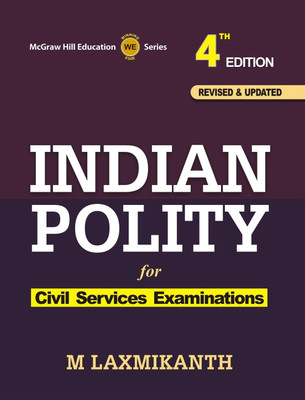
Indian Polity For Civil Services Examination

Indian Polity For Civil Services Examination
(Free Home Delivery*)

₹495  38% Off  |   ₹303
Authored By: M Laxmikanth
Publisher: McGraw Hill Education (2013) 


Published in the year 2013, Indian Polity For Civil Services Examinations is a book that provides the readers with insight into important topics that need to be understood by students to clear the civil services examination.

Summary Of The Book:
Indian Polity For Civil Services Examinations has been designed to meet the requirements of students preparing for civil service examinations. This book covers the entire syllabus, which civil service aspirants need to understand.

This book has been divided into 11 parts, which include Constitutional Framework, Central Government, System of Government, State Government, Constitutional Bodies, Union Territories And Special Areas, Local Government, Non-Constitutional Bodies, Other Constitutional Dimensions, Political Dynamics, and Working of the Constitution.

The first part of the book deals with the historical background of the constitution, and throws light on fundamental rights, fundamental duties, citizenship, and features of the constitution. The second part deals with the parliamentary system, emergency provisions, special provision for certain states, inter-state relations, and the current status of Jammu & Kashmir. The third part provides insight into the central government by explaining the roles of the President, Prime Minister, and Vice-President. In the fourth part, students are provided detailed information on the state government, explaining the role of the Chief Minister, Governor, state council of ministers, subordinate courts, and high court.

In the fifth part, the readers are provided insight into the Panchayati Raj as well as urban local governments. The sixth part deals with union territories, and scheduled, and tribal areas. In the seventh part, the author throws light on the constitutional bodies, which include the finance commission, election commission, advocate general of the state, special officer for linguistic minorities, national commission for SCs, national commission for STs, and union public service commission.

The eighth part of this book throws light on the planning commission, national human rights commission, state human rights commission, lokpal, and lokayuktas, central vigilance commission, and state information commission. In the ninth part, the readers are provided insight into public services, anti-defection law, tribunals, and special provisions for ST’s, Anglo-Indian’s, minorities, and BC’s. In the tenth part, the readers are also provided insight into national integration, foreign policy, pressure groups, political parties, and elections. The eleventh part deals with the national commission’s plan to examine the constitution’s working.

In this third edition, the author also provides 7 appendices at the end of the book. The appendices cover topics such as table of precedence, definitions under the constitution, constitutional amendments at a glance, subjects of union, state, and concurrent lists, articles of the constitution, and ministries/departments of the central government. This edition of Indian Polity For Civil Services also comes with updated UPSC preliminary, and main question papers as well.

About M. Laxmikanth:
M. Laxmikanth is an author, and trainer. Apart from this book, Laxmikanth has written Governance in India for UPSC Civil Services Preliminary Examination, Indian Polity, and Public Administration.Laxmikanth completed his master’s degree from Osmania University in 1989. Following that, he started his own coaching academy, Laxmikanth’s IAS. Laxmikanth has a great deal of experience coaching civil service aspirants.


TABLE OF CONTENTS:
Part I

Constitutional Framework:
Historical Background:The Company Rule (1773–1858), The Crown Rule (1858–1947), Notes and References
Making of the Constitution:  Composition of the Constituent Assembly, Working of the Constituent Assembly, Committees of the Constituent Assembly, Enactment of the Constitution, Enforcement of the Constitution, Criticism of the Constituent Assembly, Notes and References.
Salient Features of the Constitution: Introduction, Salient Features of the Constitution, Notes and References.
Preamble of the Constitution: Text of the Preamble, Ingredients of the Preamble
Key Words in the Preamble, Significance of the Preamble, Preamble as Part of the Constitution, Amendability of the Preamble, Notes and References.
Union and its Territory: Union of States, Parliament’s Power to Reorganise the States, Evolution of States and Union Territories,Notes and References.
Citizenship:  Meaning and Significance, Constitutional Provisions, Citizenship Act, 1955, Single Citizenship, Notes and References.
Fundamental Rights: Features of Fundamental Rights, Definition of State, Laws Inconsistent with Fundamental Rights, Right to Equality, Right to Freedom, Right Against Exploitation, Right to Freedom of Religion, Cultural and Educational Rights
Right to Constitutional Remedies, Writs—Types and Scope, Armed Forces and Fundamental Rights, Martial Law and Fundamental Rights, Effecting Certain Fundamental Rights, Present Position of Right to Property, Exceptions to Fundamental Right, Criticism of Fundamental Rights, Significance of Fundamental Rights, Rights Outside Part III, Notes and References.

Directive Principles of State Policy: Features of the Directive Principles, Classification of the Directive Principles, New Directive Principles, Sanction Behind Directive Principles, Criticism of the Directive Principles, Utility of Directive Principles, Conflict Between Fundamental Rights and Directive Principles, Implementation of Directive Principles, Directives Outside Part IV, Notes and References.
Fundamental Duties: Swaran Singh Committee Recommendations, List of Fundamental Duties, Features of the Fundamental Duties, Criticism of Fundamental Duties, Significance of Fundamental Duties, Verma Committee Observations
Notes and References.
Amendment of the Constitution: Procedure for Amendment, Types of Amendments, Criticism of the Amendment Procedure, Notes and References.
Basic Structure of the Constitution:Emergence of the Basic Structure, Elements of the Basic Structure, Notes and References.

Part II
System of Government: 

Parliamentary System: Features of Parliamentary Government, Features of Presidential Government, Merits of the Parliamentary System, Demerits of the Parliamentary System, Reasons for Adopting Parliamentary System, Distinction between Indian and British Models, Notes and References
Federal System: Federal Features of the Constitution, Unitary Features of the Constitution, Critical Evaluation of the Federal System, Notes and References.
Centre–State Relations: Legislative Relations, Administrative Relations, Financial Relations, Trends in Centre–State Relations, Notes and References.
Inter-State Relations:  Inter-state Water Disputes, Inter-State Councils, Public Acts, Records and Judicial Proceedings,Inter-State Trade and Commerce, Zonal Councils, Notes and References.
Emergency Provisions: National Emergency, President’s Rule, Financial Emergency
Criticism of the Emergency Provisions, Notes and References.

Part III
Central Government:

President: Election of the President, Qualifications, Oath and Conditions, Term, Impeachment and Vacancy, Powers and Functions of the President, Veto Power of the President, Ordinance-making Power of the President, Pardoning Power of the President, Constitutional Position of the President,Notes and References.
Vice-President: Election, Qualifications, Oath or Affirmation, Conditions of Office
Term of Office, Vacancy in Office, Election Disputes, Powers and Functions, Indian and American Vice-Presidents Compared,Emoluments,Notes and References.
Prime Minister: Appointment of the Prime Minister, Oath, Term and Salary, Powers and Functions of the Prime Minister 1, Role Descriptions, Relationship with the President, Chief Ministers who became Prime Ministers, Notes and References
Central Council of Ministers: Constitutional Provisions, Nature of Advice by Ministers, Appointment of Ministers, Responsibility of Ministers, Composition of the Council of Ministers, Council of Ministers Vs Cabinet, Role of Cabinet, Role, Descriptions, Kitchen Cabinet, Notes and References.
Cabinet Committees: Features of Cabinet Committees, List of Cabinet Committees
Functions of Cabinet Committees, Groups of Ministers, Notes and References.
Parliament:  Organisation of Parliament, Composition of the Two Houses, System of Elections to Lok Sabha, Duration of Two Houses, Membership of Parliament
Presiding Officers of Parliament, Leaders in Parliament, Sessions of Parliament
Devices of Parliamentary Proceedings, Legislative Procedure in Parliament, Joint Sitting of Two Houses, Budget in Parliament, Multifunctional Role of Parliament
Ineffectiveness of Parliamentary Control, Position of Rajya Sabha, Parliamentary Privileges, Sovereignty of Parliament, Notes and References.
Parliamentary Committees: Meaning and Classification, Notes and References.
Parliamentary Forums:  Establishment of Forums, Objectives of the Forums
Composition of the Forums, Functions of the Forums, Notes and References.
Supreme Court:  Organisation of Supreme Court, Seat of Supreme Court
Procedure of the Court, Independence of Supreme Court, Jurisdiction and Powers of Supreme Court, Supreme Court Advocates Notes and References".

Part IV
State Government: 

Governor:  Appointment of Governor, Conditions of Governor’s Office, Term of Governor’s Office, Powers and Functions of Governor, Constitutional Position of Governor, Notes and References.
Chief Minister: Appointment of Chief Minister, Oath, Term and Salary, Powers and Functions of Chief Minister, Relationship with the Governor,Notes and References.
State Council of Ministers: Constitutional Provisions, Nature of Advice by Ministers
Appointment of Ministers, Oath and Salary of Ministers, Responsibility of Ministers
Composition of the Council of Ministers, Cabinet, Notes and References.
State Legislature: Organisation of State Legislature, Composition of Two Houses
Duration of Two Houses, Membership of State Legislature,Presiding Officers of State Legislature, Sessions of State Legislature,Legislative Procedure in State Legislature,Position of Legislative Council,Privileges of State Legislature,Notes and References.
High Court: Organisation of High Court, Independence of High Court,Jurisdiction and Powers of High Court,Notes and References.
Subordinate Courts: Constitutional Provisions, Structure and Jurisdiction,Notes and Reference.
Special Status of Jammu & Kashmir: Accession of J&K to India, Present Relationship Between J&K and India,Features of J&K Constitution, J&K Autonomy Resolution Rejected, Group of Interlocutors for J&K, Notes and References.
Special Provisions for Some States: Provisions for Maharashtra and Gujarat
Provisions for Nagaland, Provisions for Assam and Manipur, Provisions for Andhra Pradesh, Provisions for Sikkim, Provisions for Mizoram, Provisions for Arunachal Pradesh and Goa, Provisions for Karnataka, Notes and References.

Part V
Local Government:

Panchayati Raj: Evolution of Panchayati Raj, 73rd Amendment Act of 1992
Compulsory and Voluntary Provisions, Pesa Act of 1996 (Extension Act), Notes and References.
Municipalities:  Evolution of Urban Bodies, 74th Amendment Act of 1992, Types of Urban Governments, Municipal Personnel,Central Council of Local Government
Notes and References.

Part VI
Union Territories and Special Areas:

Union Territories: Creation of Union Territories, Administration of Union Territories
Special Provisions for Delhi, Advisory Committees of Union Territories, Notes and References.
Scheduled and Tribal A reas: Administration of Scheduled Areas,Administration of Tribal Areas,Notes and References.

Part VII
Constitutional Bodies:

Election Commission: Composition,Independence,Powers and Functions,Notes and References

Union Public Service Commission: Composition, Removal, Independence,Functions
Limitations,Role,Notes and References.
State Public Service Commission: Composition, Removal, Independence, Functions
Limitations, Role, Joint State Public Service Commission, Notes and References.
Finance Commission: Composition, Functions, Advisory Role, Impact of Planning Commission, Commissions Appointed, Notes and References.
National Commission for SC s:  Evolution of the Commission, Functions of the Commission, Report of the Commission, Powers of the Commission,Notes and References.
National Commission for ST s: Separate Commission for STs, Functions of the Commission, Other Functions of the Commission, Report of the Commission
Powers of the Commission, Notes and References.
Special Officer for Linguistic Minorities: Constitutional Provisions, Commissioner for Linguistic Minorities, Role, Vision and Mission, Functions and Objectives,Notes and References.
Comptroller and Auditor General of India: Appointment and Term, Independence
Duties and Powers, Role, Cag and Corporations, Appleby’s Criticism, Notes and References.
Attorney General of India: Appointment and Term, Duties and Functions, Rights and Limitations, Solicitor General of India,Notes and References.
Advocate General of the State: Appointment and Term, Duties and FunctionsNotes and References.

Part VIII
Non-Constitutional Bodies:

Planning Commission: Functions, Composition, Internal Organisation, Personnel
Programme Evaluation Organisation,Critical Evaluation, Notes and References.
National Development Council: Composition, Objectives, Functions,Critical Evaluation, Notes and References.
National Human Rights Commission: Establishment of the Human Rights Commission,Composition of the Commission,Functions of the Commission
Working of the Commission,Role of the Commission,Performance of the Commission, Human Rights (Amendment) Act,, Notes and References
State Human Rights Commission:  Composition of the Commission, Functions of the Commission, Working of the Commission, Human Rights Courts
Notes and References.
Central Information Commission: Composition, Tenure and Service Conditions
Powers and Functions, Notes and References.
State Information Commission:  Composition,Tenure and Service Conditions
Powers and Functions,Notes and References.
Central Vigilance Commission: Composition, Organisation, Functions, Jurisdiction
Working,Notes and References.
Central Bureau of Investigation: Establishment of CBI, Motto, Mission and Vision of CBI, Organisation of CBI, Composition of CBI, Functions of CBI, CBI vs. State Police, CBI Academy, Notes and References.
Lokpal and Lokayuktas: Global Scenario, Lokpal, Lokayuktas, Notes and References.

Part IX
Other Constitutional Dimensions:

Co-operative Societies: Constitutional Provisions, Reasons for the 97th Amendment, Notes and References.
Official Language:  Language of the Union, Regional Languages, Language of the Judiciary and Texts of Laws, Special Directives, Notes and References.
Public Services: Classification of Services, Constitutional Provisions. Notes and References.
Tribunals: Administrative Tribunals, Tribunals for Other Matters, Notes and References.
Rights and Liabilities of the Government: Property of the Union and the States
Suits by or Against the Government, Suits Against Public Officials, Notes and References.
Authoritative Text of the Constitution in Hindi Language: Constitutional Provisions
Reasons for the 58th Amendment,Notes and References.
Special Provisions Relating to Certain Classes: Rationale of Special Provisions
Specification of Classes,Components of Special Provisions, Notes and References

Part X
Political Dynamics:

Political Parties: Meaning and Types, Party System in India, Recognition of National and State Parties, Notes and References.
Elections: Electoral System, Election Machinery, Election Process, Notes and References.
Electoral Reforms:Committees Related to Electoral Reforms, Electoral Reforms Before 1996, Electoral Reforms of 1996.Electoral Reforms After 1996, Electoral Reforms Since 2010, Notes and References
Anti-Defection Law:  Provisions of the Act, Evaluation of the Act, 91st Amendment Act (2003),Notes and References.
Pressure Groups: Meaning and Techniques, Pressure Groups in India, Notes and References.
National Integration: Meaning of National Integration, Obstacles to National Integration, National Integration Council, National Foundation for Communal Harmony, Notes and References.
Foreign Policy: Principles of Indian Foreign Policy, Objectives of Indian Foreign Policy
Look East Policy of India, Gujral Doctrine of India, Nuclear Doctrine of India, Notes and References.

Part XI
Working of the Constitution:

National Commission to Review the Working of the Constitution: Terms of Reference of the Commission, Fifty Years of Working of the Constitution, Areas of Concern: Commission’s Perception,Recommendations of the Commission, Notes and References

Seller: Flipkart
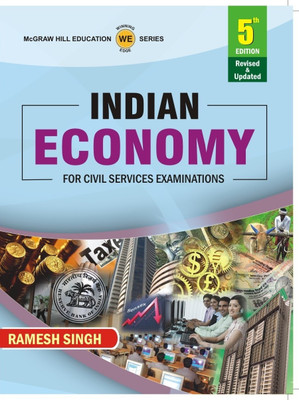
Indian Economy : For Civil Services Examinations

Indian Economy : For Civil Services Examinations
(Free Home Delivery*)


₹425  38% Off  |   ₹260
Authored By: Ramesh Singh
Publisher: McGraw Hill Education (2013)


An updated and revised edition, Indian Economy: For Civil Services Examinations, by Ramesh Singh, is very popular among a section of people interested in reading books about the Indian and Global Economy, and is also useful for civil service students.

Summary Of The Book: 
Indian Economy: For Civil Services Examinations presents a holistic overview of the shift in the global economy and its importance to India and its current situation, with separate chapters on the Indian economy and the evolution of the Indian economy.

Indian Economy: For Civil Services Examinations has an up-to-date and exam-oriented style with new and recent terms added. It has 22 chapters with lots of sub-chapters, including 2 separate chapters on Model Answers To Selected Questions and Economics Concepts And Terminologies. It has updated notes by most recent sources and is very useful for the civil services exam.

The book's widespread description of large and small issues, right from the zenith of centralized planning to the current period of relaxation of government regulations, makes it very useful for the civil services candidates, researchers, academicians and anyone who is interested in understanding the dynamics, growth and present status of the Indian economy.

Some of the chapters in the book are Evolution Of The Indian Economy, Progress, Growth And Development, Economic Planning, Inflation and Business Cycle, and Human Development in India. Chapters on Financial Market, Inflation and Business Cycle have been thoroughly revamped. The book contains numerical updates from India 2013, Economic Survey (2012-13), Union Budget (2013-14) and the Railway Budget (2013-14). Indian Economy: For Civil Services Examinations also has three new chapters, which are Preparing for the Demographic Dividend, Technology-Environment Dilemma, and Sustainability and Climate Change.

The book is written specially for students studying for the Gen­er­al Stud­ies paper of the Civil Services examination. The book can also be used by graduate and undergraduate students of Economics.

Indian Economy: For Civil Services Examinations was authored by Ramesh Singh and published by McGraw Hill Education in June 2013.

About Ramesh Singh:
Ramesh Singh is an alumnus of the Delhi School of Economics and is an educational consultant. Ramesh Singh’s other works include Applied Welding Engineering: Processes, Codes and Standards, Pipeline Integrity Handbook: Risk Management and Evaluation, Bharatiya Arthavyavastha, and Bharat Ka Bhugol (Hindi). He has more than two decades of experience in providing direction for a collection of competitive and professional examinations.

TABLE OF CONTENTS: 
INTODUCTION, PROGRESS, GROWTH AND DEVELOPMENT, EVOLUTION OF THE INDIAN ECONOMY, ECONOMIC PLANNING, PLANNING IN INDIA, ECONOMIC REFORMS, INFLATION AND BUSINESS CYCLE, INDIAN AGRICULTURE, INDIAN INDUSTRY & INFRASTRUCTURE, INDIA AND THE GLOBALECONOMY, INDIAN FINANCIAL MARKET, BANKING IN INDIA, INSURANCE IN INDIA, SECURITY MARKET IN INDIA, EXTERNAL SECTOR OF INDIA, INTERNATIONAL ECONOMIC ORGANISATIONS & INDIA, TAX STRUCTURE IN INDIA, PUBLIC FINANCE IN INDIA
THE TECHNOLOGYENVIRONMENT DILEMMA, SUSTAINABILITY ANDCLIMATE CHANGE: INDIA AND THE WORLD, PREPARING FOR THE DEMOGRAPHIC DIVIDEND
HUMAN DEVELOPMENT IN INDIA, MODEL ANSWERS TO SELECTED QUESTIONS
ECONOMICS CONCEPTS AND TERMINOLOGIES.

Seller: Flipkart

IAS Prelims: 19 years solved papers of CSAT

IAS Prelims: 19 years solved papers of CSAT
(Free Home Delivery*)


₹310  22% Off  |   ₹241

Authored By: Disha Experts
Publisher: Disha Publication (2013)


Topic-wise Solved Papers are the most important resources must for every student for 3 reasons:
1. They show what types of questions have been asked in the actual exam knowledge/ understanding/ application/ analytical; theoretical/ numerical; Simple MCQ/ Assertion-Reason/ Passage based MCQ/ Matching MCQ/ Picture based/ Statement based MCQ.
2. They show the trend of the paper over the past years helps in understanding the examiners psyche to understand what to expect and what not to expect in the exam.
3. To spot the most important and least important topics for the exam the number of questions asked from each topic in the various years. 

Disha's BESTSELLER "19 Years IAS Prelims (CSAT) General Studies Topic-wise Solved Papers (1995-2013)" consists of past years solved papers of the General Studies Paper 1 & 2 distributed into 53 topics. 
The book has been divided into 8 broad UNITS, which have been further divided into the 53 topics. Although the book contains 37 chapters, certain chapters like Physics, Chemistry, Biology and Trends in Science & Technology are further divided into topics.

The strength of the book lies in the Errorless DETAILED Solutions. The book is 100% useful for both the General Studies papers (1 and 2) of the Prelims/ CSAT. 

The Mental Ability part of the past GS papers has been covered in the Unit "Mental Ability & Management Ability" and will be useful for Paper 2. 
ULTIMATE BOOK FOR STEP BY STEP LEARNING & PRACTICE.

Table of Contents
  • History of India: 1. Ancient History 2. Medieval History3. Modern History 4. Indian National Movement
  • Geography: 1. Physical Geography 2. World Political Geography 3. Geography of India 4. Agriculture
  • Indian Polity and Governance: 1. Constitution 2. Political System 3. Panchayati Raj & Public Policy 4. Judiciary & Right Issues
  • Economic Social Development: 1. Structure of the Indian Economy 2. Planning and Economic Development 3. Agriculture in the National Economy 4. Indian Industries 5. The Tertiary Sector in the Indian Economy
  • General Science: 1. Physics 2. Chemistry 3. Biology  4. Ecology, Biodiversity & Climate Change 
  • Mental Ability & Management Ability: 1. Mental Ability, Analytical & Logical Reasoning 2. Arithmetic 3. Geometry & Mensuration 4. Permutation, Combination & Probability 5. Time and Distance 6. Data Interpretation 7. General Comprehension 8. English Language (Comprehension) 9. Interpersonal Skills, Communication & Decision Making
  • General Knowledge: 1. World Panorama 2. Indian Panorama 3. Sports and Games
  • Current Affairs: 1. International 2. National 3. Sports and Games 4. Trends in Science and Technology

Tata McGraw Hill's GK for Civil Services Prelim Paper II

Tata McGraw Hill's GK for Civil Services Prelim Paper II
(Free Home Delivery*)


₹1250  30% Off  |   ₹875

Author: Tata McGraw Hill's (TMH) 
Publisher: Tata McGraw Hill's (TMH)

BOOK DETAILS
Publisher: TMH
ISBN-13: 9781259027185
ISBN-10: 125902718X
Language: Hindi
Edition: 1st Edition
Binding: Paperback
Exam: CSAT


Seller: flipkart

Unique Publishers Book for UPSC CSAT Papar II

Unique Publishers Book for UPSC CSAT Papar II
(Free Home Delivery*)


₹749  1% Off  |   ₹742


Author: J. K. Chopra
Publisher: Unique Publishers (2013)

BOOK DETAILS
Publisher: Unique Publishers
Publication Year: 2013
ISBN-13: 9788183574525
ISBN-10: 8183574521
Language: Hindi
Binding: Paperback
Number of Pages: 762 Pages
Exam: CSAT


Unique Publishers Book for UPSC CSAT Papar I

Unique Publishers Book for UPSC CSAT Papar I
(Free Home Delivery*)


₹1299  12% Off  |   ₹1140

Author: J. K. Chopra 
Publisher: Unique (2013)

BOOK DETAILS
Publisher: Unique
Publication Year: 2013
ISBN-13: 9788183574501
ISBN-10: 8183574505
Language: Hindi
Binding: Paperback
Exam: General Studies


Seller: flipkart

 
Support : Creating Website | Johny Template | Mas Template
Copyright © 2014. GOfreshers.in - All Rights Reserved
Template Created by Creating Website Published by Mas Template
Proudly powered by Blogger